
I am deeply honored to assume the role of Chair of the Robot Revolution & Industrial IoT Initiative (RRI). As the robotics and AI landscape enters a period of significant transformation, I feel a strong sense of mission and responsibility in taking on this position. Japan is currently advancing a new industrial foundation under the government’s AI Robotics Strategy announced in March 2026. At the center of this effort is Physical AI—the integration of robotics and artificial intelligence. Robotics is evolving beyond conventional automation to become a core technology for addressing societal challenges and enabling sustainable value creation.
A key driver of this evolution is the vast and diverse data generated across Japan’s industries and daily life. The operational knowledge and on-site expertise accumulated over many years in fields such as manufacturing, logistics, construction, infrastructure, and healthcare represent invaluable national assets. Rather than keeping these resources siloed within individual companies or sectors, we must connect and share them under appropriate rules and trusted frameworks. Doing so will strengthen Japan’s competitiveness and accelerate the development and real-world deployment of Physical AI. By creating cross-industry value through a data-centric approach, we can unlock new possibilities for advanced intelligence and practical innovation.
To support this direction, the government is promoting research and infrastructure development for AI foundation models, data platforms, and shared software environments for robotics. As a result, a consortium-style ecosystem has emerged—bringing together companies, universities, research institutes such as AIST, startups, and consulting organizations. This collaborative structure, in which diverse stakeholders work together to bring technology from research to real-world implementation, is a source of Japan’s competitive strength. Within this ecosystem, RRI’s mission is to accelerate the secure connection and sharing of valuable data and to help realize a society where robots are widely utilized across frontline operations. Achieving this requires not only advancing individual technologies but also building the foundations that support robot deployment, promoting standardization, and clearly defining the areas where collaboration is essential. By balancing competition and cooperation, we aim to foster cross-industry partnerships that reduce deployment costs and enable scalable expansion.
Since its establishment, RRI has played a central role in bridging technological development and societal implementation through collaboration among industry, academia, and government. We will further strengthen this function to drive the real-world adoption of robotics and industrial IoT. In addition, we will work to deliver sustainable solutions to pressing societal challenges—such as labor shortages, an aging population, and infrastructure maintenance—while contributing to regional revitalization and creating value that benefits the broader global community. Through these efforts, we aim to share Japan’s experience and innovation in ways that support inclusive growth and advance the responsible use of robotics and industrial IoT worldwide.
Together with all our partners, and grounded in open collaboration and trust, we will continue striving to create new value. I sincerely appreciate your continued understanding and support.
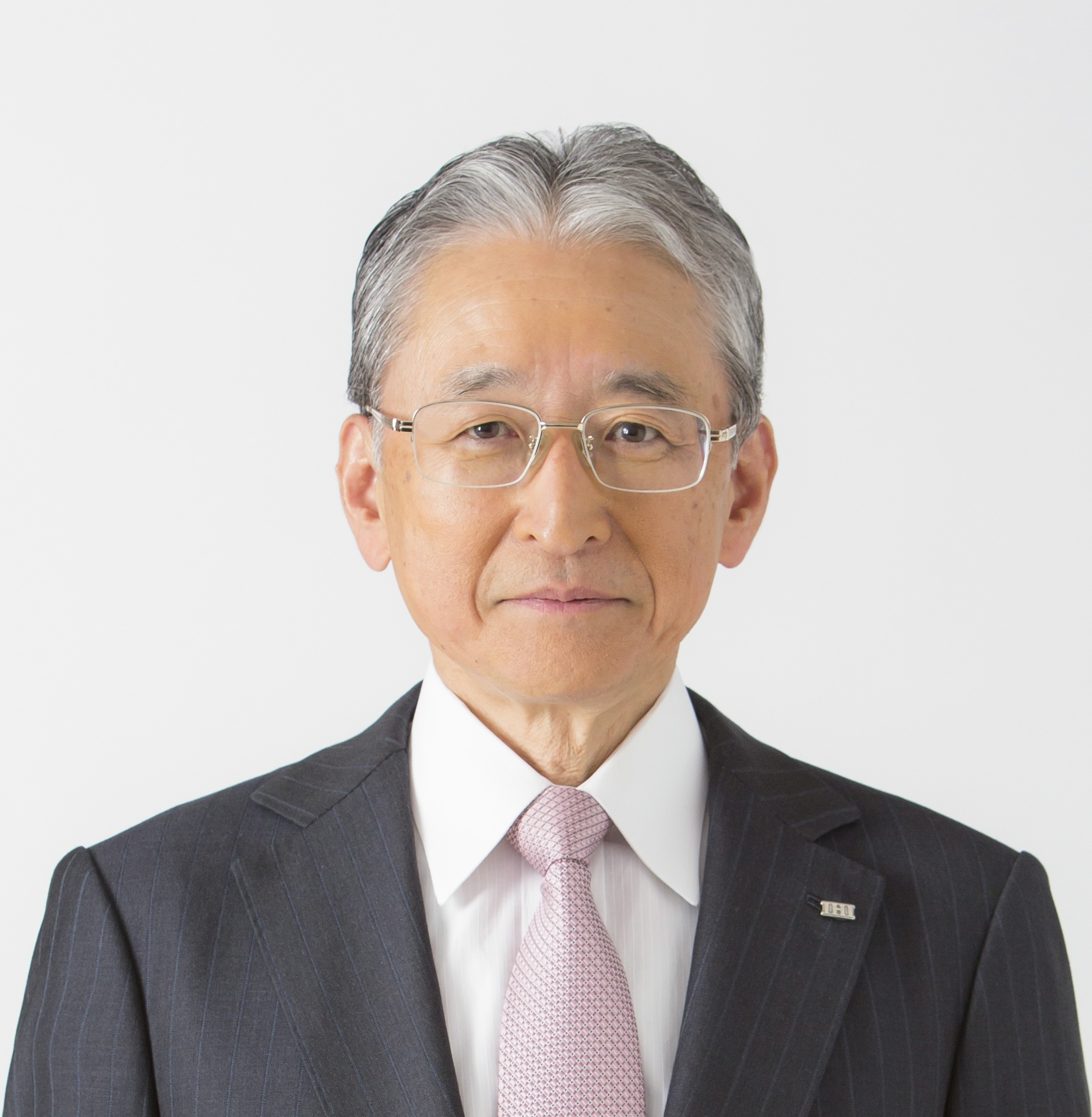
Tamotsu Saito / Chairperson